
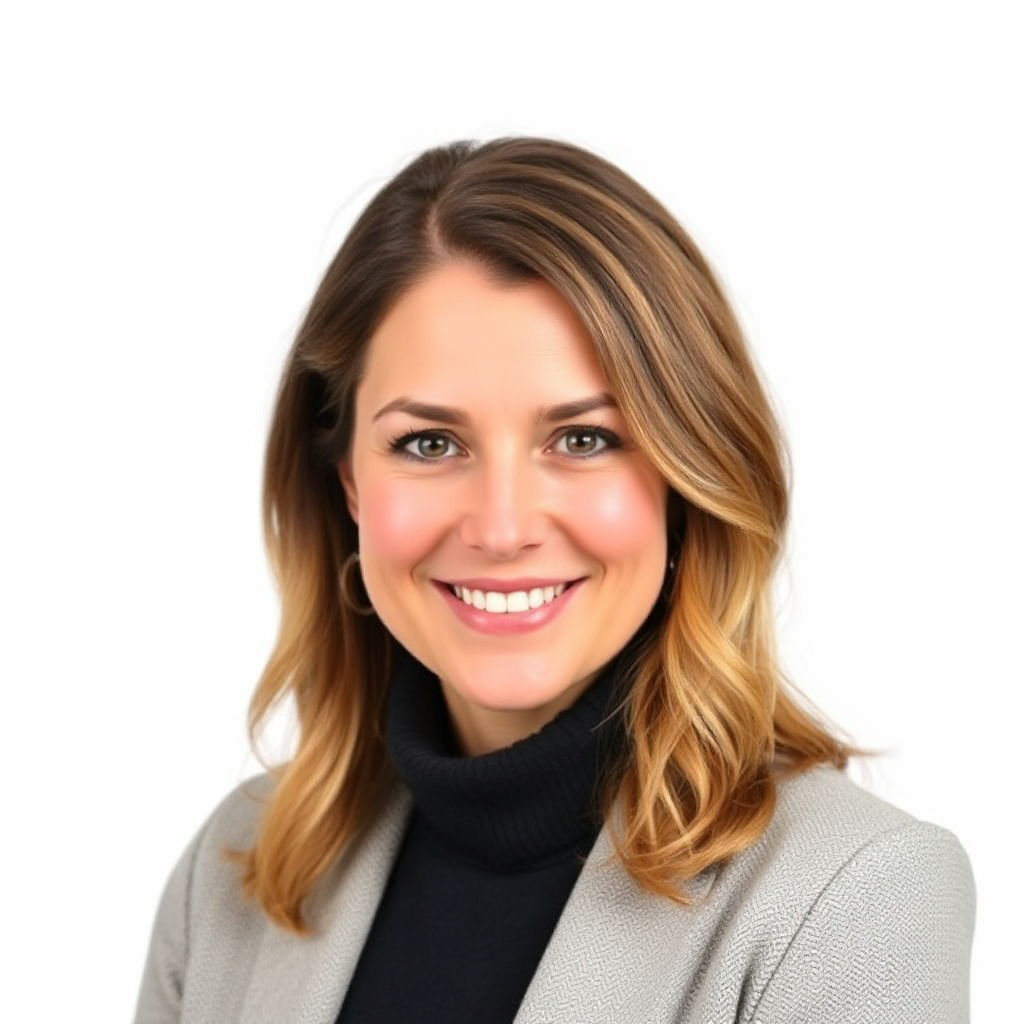

Former tech leader Matt Brittin confirmed as the BBC's incoming leader.
The previous head of Google's Europe, Middle East and Africa operations will replace the outgoing director general, who announced his exit in the autumn after a row over how a Panorama altered a speech by former President Trump.
The corporation's chairman Samir Shah that Brittin, who left Google in the previous year after nearly two decades, "provides the BBC considerable expertise of managing a prestigious and complex entity through significant evolution".
Brittin remarked he "is excited to begin this role", labeling it "a moment of significant challenge, yet also real potential".
He added that the United Kingdom requires "a robust BBC that serves all in a complicated, unpredictable and fast changing environment".
Outlining his agenda, he added: "The corporation needs the momentum and vigour to be both at the heart of news, and where viewers and listeners are. To strengthen the reach, reputation and production quality currently, confront issues with courage, and thrive as a public service ready for the future."
'Major Overhaul'
Shah described the new appointee "an outstanding figurehead" with "the attributes necessary to guide the organisation through the numerous changes happening in the industry and in audience preferences".
The chairman also commended Brittin's "dedication to the BBC, his understanding of the problems facing the organisation, his allegiance to its independence and his determination to preserve the BBC's position as one of the country's greatest national assets".
The new director general steps in at "a crucial moment", as the government assesses the BBC's governing charter, the chairman continued.
"There is no doubt there is need for radical reform of the BBC, its licence fee system and the framework in which it works. The stakes for the BBC, and the prospects of the PSB model, have never been greater."

The BBC's top job is considered to be one of the toughest in the UK's broadcasting.
During Davie's tenure as the BBC's leader, he was tasked with handling a series of scandals and crises at the broadcaster.
His key tasks will include dealing with a high-value defamation claim brought by the US president against the BBC.
The former president is disputing the way the documentary combined two sections of a address he delivered on a key date, for which the BBC has said sorry.
Last week the broadcaster urged a judge to dismiss the case, saying the Panorama segment was not broadcast in the United States.
BBC at a Turning Point
The new director general steps into the role at a crucial period for the BBC in additional respects, too.
He will continue discussions with the UK government on the broadcaster's charter and the future of the licence fee and corporation financing.
The existing agreement, which sets out the terms and mission of the BBC's role, will run out in the near future.
His hiring also arrives at a time when the BBC is competing with tech giants in the online content landscape.
The search engine's corporate entity controls YouTube, with which the BBC recently revealed a significant partnership to develop bespoke content.
Technology History a Advantage?
Some individuals inside Google "are full of praise" about him, as an motivational boss and a superb colleague".
Several have raised doubts about the BBC's appointment someone with a career history in the corporate world rather than public service or traditional editorial experience.
However, it is reported that "he was chosen by the corporation's directors for his deep understanding of major tech firms. There's an expectation he will drive the move to digital, for example in news. He'll also likely focus on transforming and improving BBC iPlayer."
Ex- BBC Newsnight editor Peter Barron, who was alongside him at Google, remarked he is "strongly driven by a ethos of the public good".
"He is passionate about the BBC for its credible news and its originality, but he's also very conscious of its legacy as a innovation trailblazer.
"His goal is for the BBC to prosper in a environment where a lot of its greatest challenges are linked to technology, whether that's the dominance of the digital platforms, online false information, or simply how people prefer to consume content.
"Given his background and connections across the digital world, and also the relationships he's developed with TV networks, the news industry, regulators and politicians, I think he's extremely well positioned to tackle the challenges."
Who is Matt Brittin?

Hailing in southern England, he obtained a degree from the Cambridge University, while also participating in rowing for them in the annual race multiple times.
He also rowed for Great Britain and won|secured|earned


